how we design and build with AI: the tools behind our work
the real workflow behind our client work and our own apps: claude code, figma and mobbin through MCP, swiftui, cloudflare, and a mac mini that never sleeps.
 by joseph zakher · 3 min read
people ask me which AI tools we use.
the honest answer: fewer than you'd think, used deeply.
here's the whole kit, and how it fits together.
claude code, running fable 5
almost everything starts here.
claude code is an AI coding agent that works inside a real codebase. we run it with fable 5.
for client work, i clone the client's github repo, and the agent gets direct access to the codebase and the front end. so when i have design feedback, it becomes code. it goes to a branch, and the CTO and the tech team review it like any other pull request.
the old way was do-it-with-you: async comments, annotated screenshots, review calls, and a two-week lag.
the new way is do-it-for-you. design judgment travels all the way to the product, and engineering reviews instead of translating. faster for us, better for the client, and kinder to the engineers' time too.
figma, through MCP
MCP, the model context protocol, is a standard way to plug tools into an AI agent.
with the figma MCP connector, claude code reads the real design files: the components, the tokens, the spacing. an agent that can see the design system builds with it.
that matters more every month. on zaki AI, the design system is more than 120 components, in light and dark, right to left in arabic. the agent works inside those rules from the first line of code.
mobbin, for patterns
the mobbin MCP gives the agent access to real app screens and ux flows from some of the best products out there.
when we design an onboarding or a paywall, we start from patterns people already know. then we make them ours.
references make the first draft better. taste still decides what ships.
swiftui for iOS, react for the web
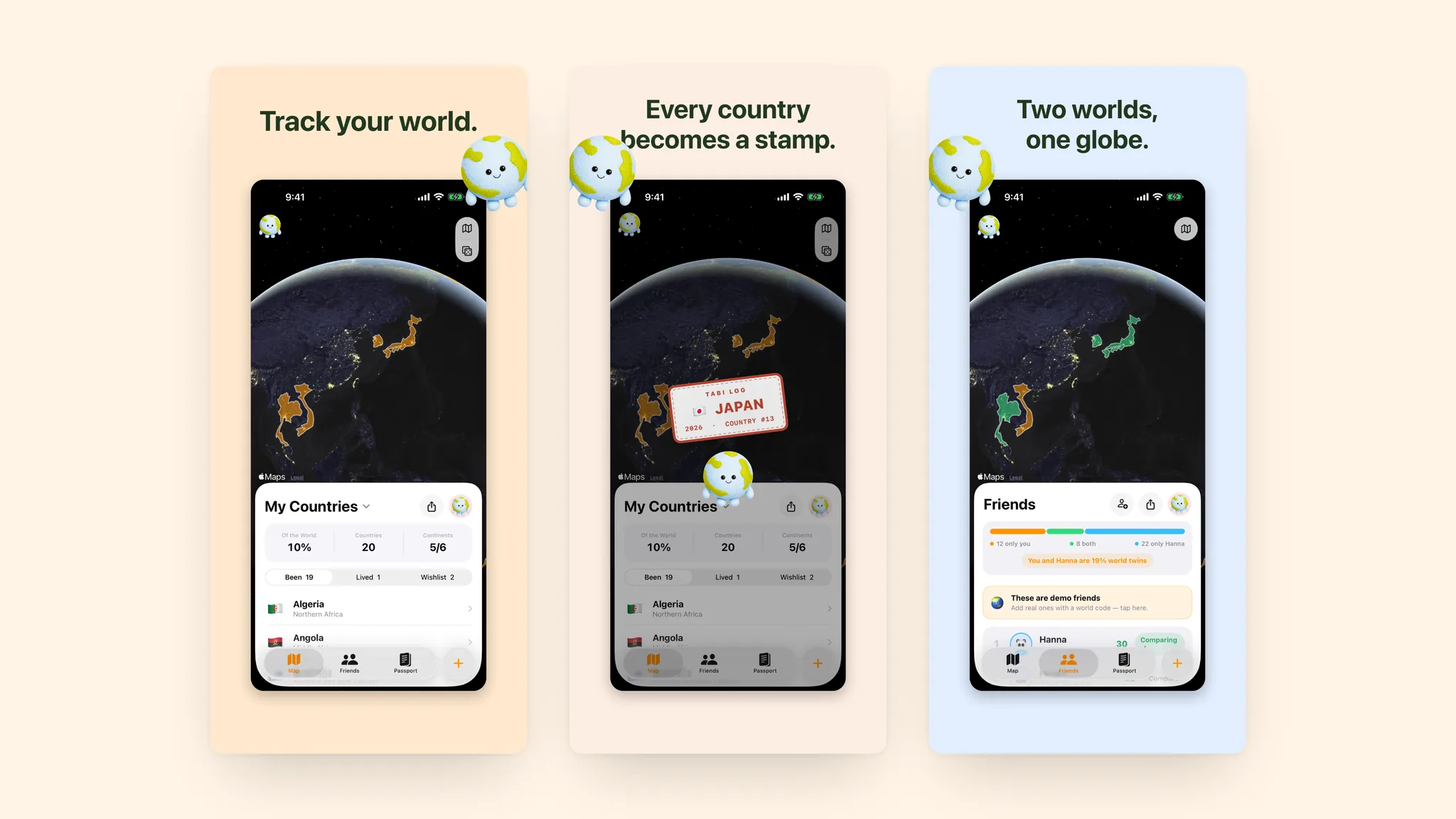
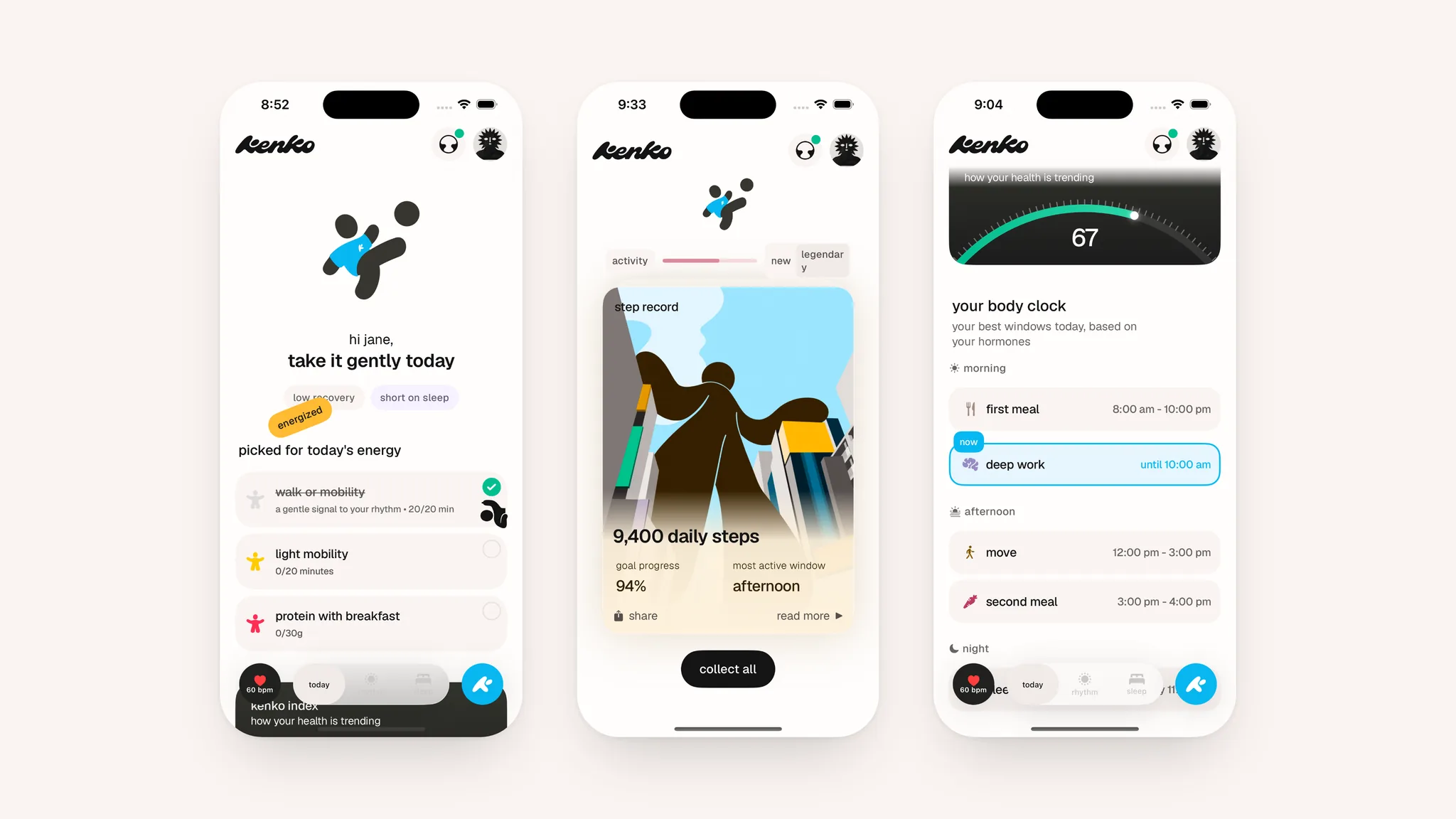
for native iOS apps, we build in swiftui. tabilog uses mapkit for its globe and storekit for purchases. haku health uses healthkit to read your sleep from apple health each morning.
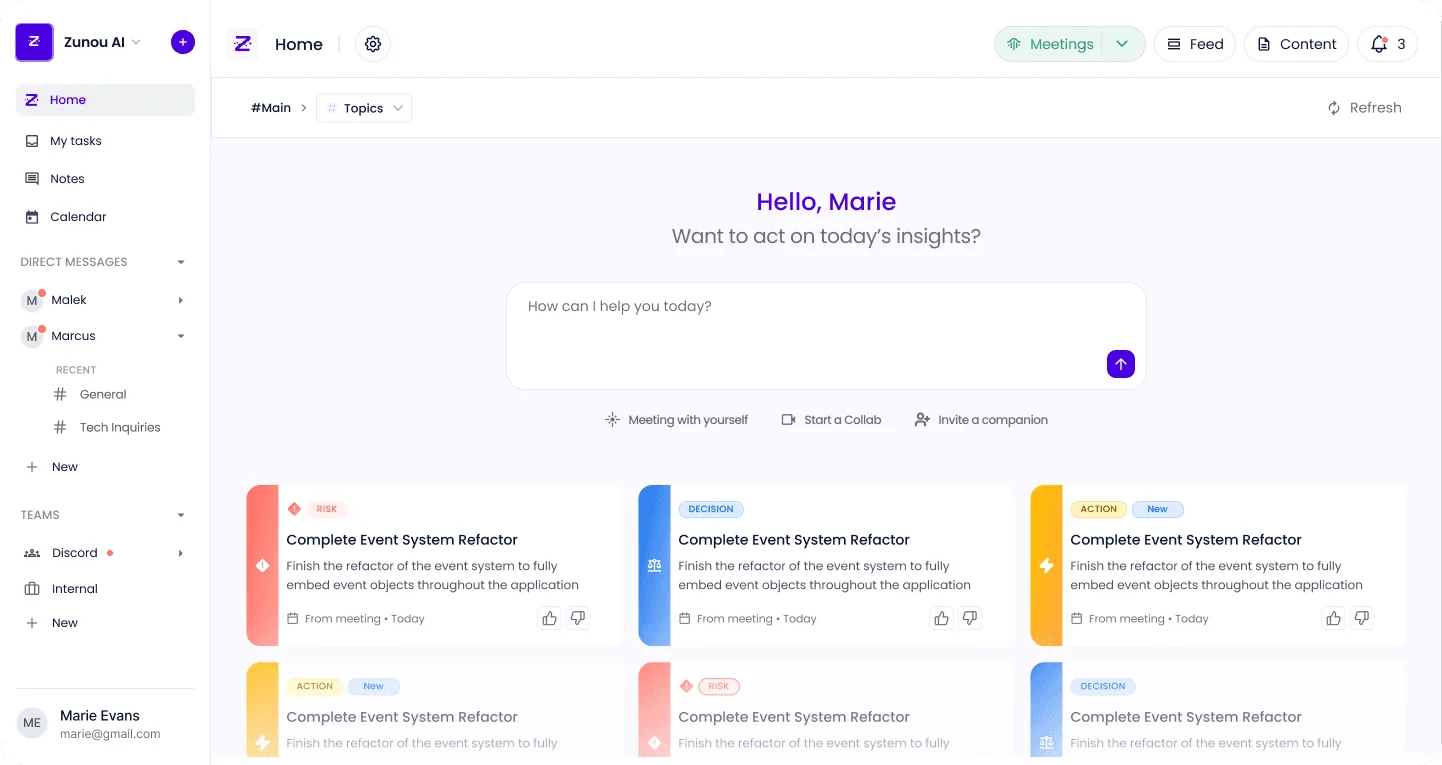
for web apps, we work in react with shadcn/ui and tailwind, as on the zaki web app. zaki's phone app runs on expo.
cloudflare, quietly underneath
haku health's AI reader runs on cloudflare workers, with claude reading plates, barcodes, and labels. this website runs on cloudflare too.
it's fast, it's affordable to start, and it scales quietly. that's exactly what an early product needs.
a mac mini that never sleeps
the newest part of the kit is a little mac mini, running AI agents around the clock.
when a founder books a launch with us, an agent reads the booking, studies their site and the sites they love, and prepares a kickoff pack and a first draft. it's ready for my review before the call.
other agents handle research, drafts, follow-ups, and repetitive admin. everything waits for my review before it goes anywhere. updates reach my phone on telegram through openclaw, so i can review from anywhere.
it feels like hiring a tireless junior teammate for the price of electricity.
what stays human
AI speeds up layouts, scaffolding, routine integrations, first drafts of copy, and testing.
experienced people make the product decisions. we own the permissions, the payment failures, the edge cases, the quality, and the release checks.
in one year, the tools changed completely. the job got bigger. design, build, and sell, by the same small team.
where to begin
you can start with one small thing this week. that's enough.
- if you're a designer, spend one hour inside the codebase of something you designed. just look around.
- connect one tool to your agent through MCP, and ask it one real question about your product.
- hand one repetitive task to an AI workflow, and reclaim the hour.
curious how this looks on a real launch? here's a startup launch, week by week.